free shipping Free shipping

more affordable Affordable products

good tolerance Good tolerance

scientifically based Scientifically based

high quality High quality

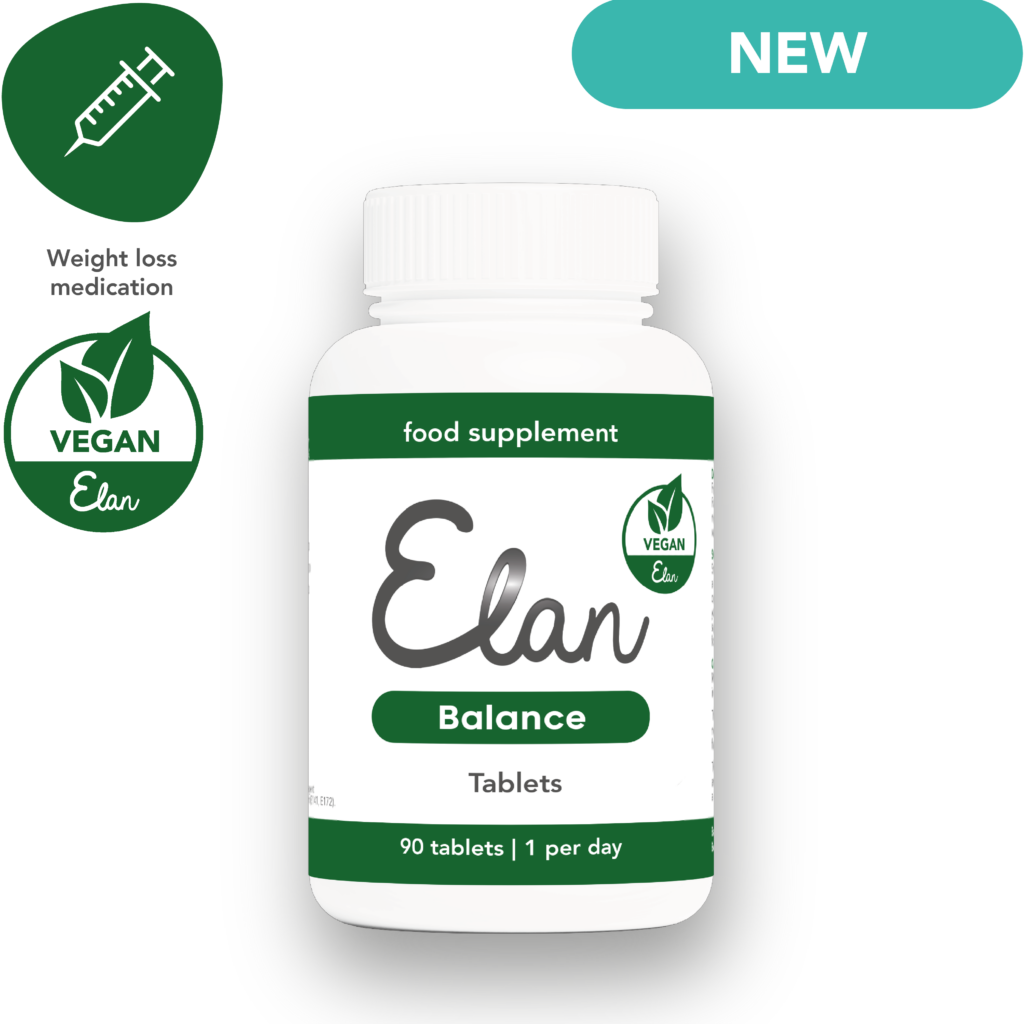
Weight loss medication

Weight loss medications used for obesity treatment and weight management can lead to a significant reduction in appetite and energy intake. Studies on weight loss medications and related therapies have reported lower calorie intake as well as changes in appetite, satiety and food preferences (1,2,3).

A lower energy intake can contribute to weight loss, but it also requires attention to the quality and composition of the daily diet. When food intake is reduced over a longer period, it may become more difficult to consume adequate amounts of protein, fibre, vitamins and minerals (4,5).

In particular, a low energy intake may compromise the intake of essential micronutrients. The scientific literature identifies vitamin D, vitamin B12, vitamin B1, vitamin A, vitamin C, vitamin E, calcium, magnesium, iron and zinc as important nutritional considerations in people with obesity and/or during intensive weight loss (4,5,6).

Even before starting treatment, individuals with obesity may already have an increased risk of suboptimal micronutrient status. This may be related to dietary quality, restrictive eating patterns, chronic low-grade inflammation, and changes in the absorption, distribution, metabolism or excretion of nutrients (6,7).

A recent large observational study involving 461,382 adults who initiated weight loss medication found that 12.7% developed a nutrition-related deficiency or related complication within six months, increasing to 22.4% within twelve months. Vitamin D deficiency was the most frequently reported deficiency (8).

Nutritional guidance and regular monitoring may therefore be beneficial during medically supervised weight loss. The focus should be on ensuring adequate protein intake, sufficient dietary fibre, proper hydration, a varied and balanced diet, and the timely identification of potential nutrient deficiencies (4,8).

Always discuss any questions about your diet, dietary supplements or possible nutrient deficiencies with your treating physician, registered dietitian or another qualified healthcare professional.

References

  1. Blundell, J., Finlayson, G., Axelsen, M., Flint, A., Gibbons, C., Kvist, T., Hjerpsted, J. B., & Wilding, J. P. H. (2017). Effects of once-weekly semaglutide on appetite, energy intake, control of eating, food preference and body weight in subjects with obesity. Diabetes, Obesity and Metabolism, 19(9), 1242–1251.
  2. Gibbons, C., Blundell, J., Tetens Hoff, S., Dahl, K., Bauer, R., & Baekdal, T. (2021). Effects of oral semaglutide on energy intake, food preference, appetite, control of eating and body weight in subjects with type 2 diabetes. Diabetes, Obesity and Metabolism, 23(2), 581–588.
  3. Quast, D. R., Nauck, M. A., Schenker, N., Menge, B. A., Kapitza, C., & Meier, J. J. (2021). Macronutrient intake, appetite, food preferences and exocrine pancreas function after treatment with short- and long-acting glucagon-like peptide-1 receptor agonists in type 2 diabetes. Diabetes, Obesity and Metabolism, 23, 2344–2353.
  4. Almandoz, J. P., Wadden, T. A., Tewksbury, C., Apovian, C. M., Fitch, A., Ard, J. D., Li, Z., Richards, J., Butsch, W. S., Jouravskaya, I., Vanderman, K. S., & Neff, L. M. (2024). Nutritional considerations with antiobesity medications. Obesity, 32(9), 1613–1631.
  5. Poli, V. F. S., Sanches, R. B., Moraes, A. D. S., Fidalgo, J. P. N., Nascimento, M. A., Bresciani, P., Andrade-Silva, S. G., Cipullo, M. A. T., Clemente, J. C., & Caranti, D. A. (2017). The excessive caloric intake and micronutrient deficiencies related to obesity after a long-term interdisciplinary therapy. Nutrition, 38, 113–119.
  6. 2025 Dietary Guidelines Advisory Committee. (2024). Scientific Report of the 2025 Dietary Guidelines Advisory Committee: Advisory Report to the Secretary of Health and Human Services and Secretary of Agriculture. U.S. Department of Health and Human Services.
  7. Kobylinska, M., Antosik, K., Decyk, A., & Kurowska, K. (2022). Malnutrition in obesity: Is it possible? Obesity Facts, 15(1), 19–25.
  8. Butsch, W. S., Sulo, S., Chang, A. T., Kim, J. A., Kerr, K. W., Williams, D. R., Hegazi, R., Panchalingam, T., Goates, S., & Heymsfield, S. B. (2025). Nutritional deficiencies and muscle loss in adults with type 2 diabetes using GLP-1 receptor agonists: A retrospective observational study. Obesity Pillars, 15, 100186.